Article: The Fascinating History Behind European Antique Furniture
The Fascinating History Behind European Antique Furniture
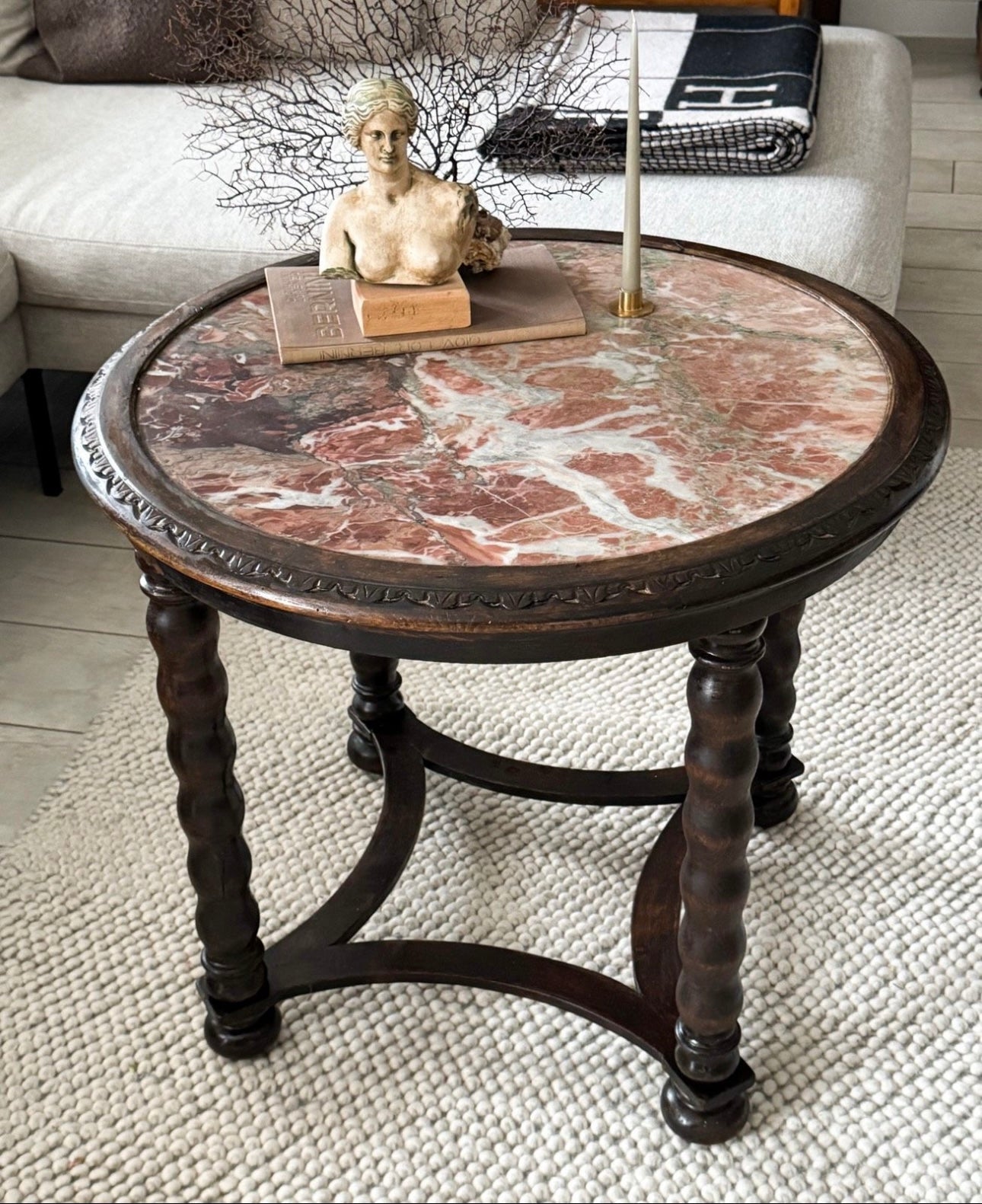
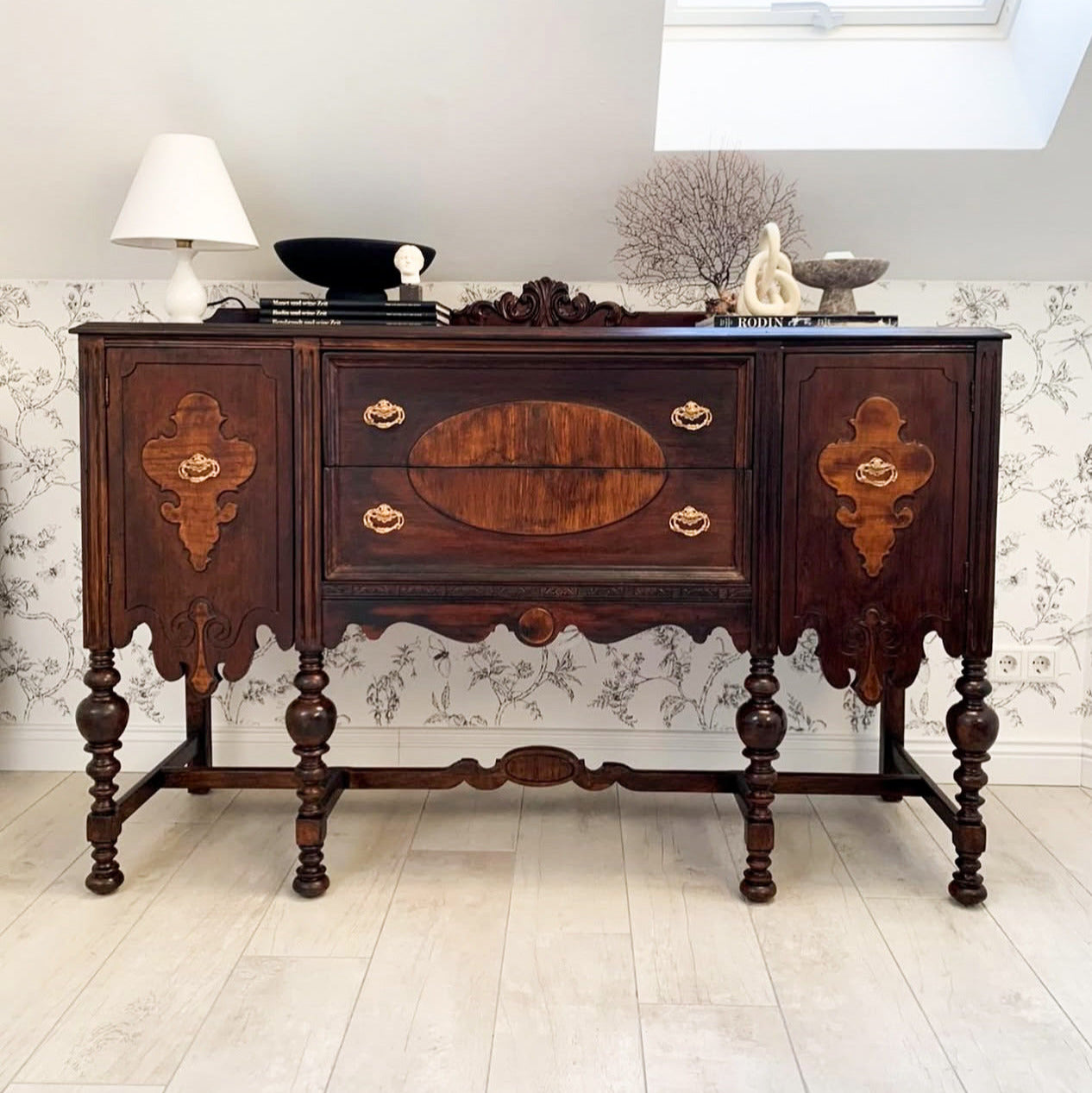
European antique furniture is more than just decor—it tells a story of artistry, culture, and timeless elegance. From Baroque extravagance to Art Nouveau fluidity, each era of furniture design reflects the social and artistic movements of its time. In this article, we explore the rich history of European antique furniture, its evolution, and why restored pieces remain highly sought after today. The Evolution of European
Furniture Styles Baroque (1600–1750):
Grandeur and Ornate Detailing The Baroque period was characterized by dramatic, heavily ornamented furniture. Inspired by the opulence of European royal courts, particularly in France and Italy, Baroque furniture featured elaborate carvings, gilded accents, and intricate wood inlays. This style aimed to showcase wealth and power, with pieces often crafted from walnut, oak, and exotic woods.
Rococo (1730–1780):
Lightness and Elegance Emerging as a reaction to the grandeur of Baroque, Rococo furniture introduced a more delicate and playful aesthetic. With curving lines, floral motifs, and pastel color palettes, Rococo pieces exuded elegance and femininity. French artisans, such as those crafting for King Louis XV, perfected this style, making it a symbol of aristocratic refinement.
Neoclassicism (1760–1830):
Symmetry and Simplicity Inspired by the rediscovery of ancient Greek and Roman art, Neoclassical furniture embraced clean lines, symmetry, and restrained decoration. This era marked a shift towards minimalism, with furniture featuring straight legs, geometric patterns, and classical motifs such as laurel wreaths and columns. Mahogany became the favored wood, replacing the more elaborate materials of previous periods.
Biedermeier (1815–1850):
Functionality and Craftsmanship A German and Austrian response to Neoclassicism, Biedermeier furniture emphasized functionality and understated beauty. Pieces were designed with clean surfaces, light-colored woods like cherry and birch, and little ornamentation, making them ideal for middle-class homes. This period laid the foundation for later modernist movements.
Art Nouveau (1890–1910):
Organic Forms and Fluidity The Art Nouveau movement revolutionized furniture design with its emphasis on natural forms and flowing lines. Inspired by botanical elements, furniture pieces featured curved wood, stained glass, and intricate metalwork. This style sought to integrate art with everyday life, making furniture both functional and aesthetically captivating. Why Restored European Antiques Remain in Demand Restored antique furniture carries not only historical significance but also timeless beauty and craftsmanship that modern mass-produced pieces often lack.
Here’s why they remain highly desirable: Unmatched Craftsmanship:
Each piece is a testament to masterful woodworking, hand-carving, and detailed finishing techniques that have stood the test of time.
Sustainability: Choosing restored antiques supports sustainable living by preserving existing materials rather than contributing to mass production. Investment
Value: Well-preserved and skillfully restored antiques often appreciate in value, making them a wise investment for collectors and homeowners.
Unique Character: Unlike contemporary furniture, every antique piece tells its own unique story, bringing personality and history into any space.
European antique furniture is a reflection of centuries of craftsmanship, artistic evolution, and cultural influences. Whether you are drawn to the ornate beauty of Baroque, the elegance of Rococo, or the organic charm of Art Nouveau, these pieces bring an air of sophistication to any home. Restored antiques continue to be in demand, offering a blend of history, sustainability, and timeless style that modern furniture simply cannot replicate. For those who appreciate history and craftsmanship, investing in restored European antique furniture is more than just a purchase, it’s a legacy.